Modern home décor lighting
2026,01,07
Light and Shadow, Architecture and Essence: The Dance of Aesthetics and Function in Architectural Lighting
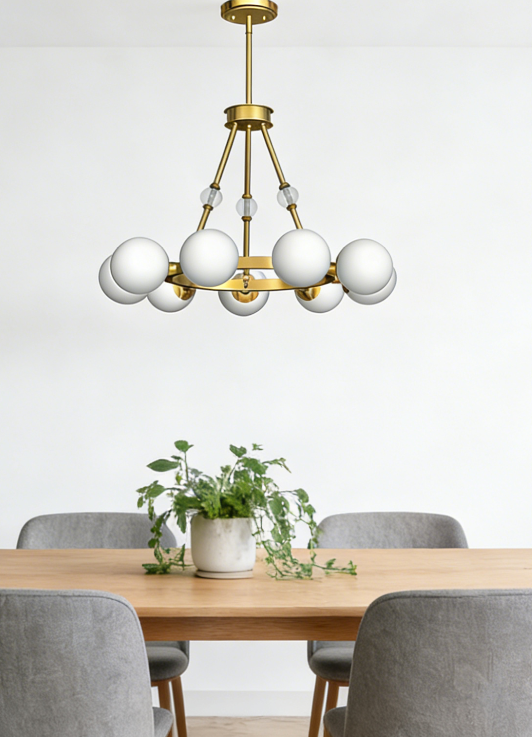
Architecture is frozen music, while lighting fixtures are the notes that breathe rhythm into this still composition. When natural light fades, it is through the magic of architectural lighting—shaping contours, revealing textures, and defining spatial atmosphere—that a building truly comes alive. From dazzling chandeliers beneath grand ceilings to serene wall sconces in outdoor courtyards, from subtle star-like glimmers deep within gardens to dramatic façade illuminations, architectural lighting transcends mere functionality. It becomes an extension of architectural beauty, a creator of ambiance, and even a vessel for human emotion.Chandeliers**, as the visual focal points of interior spaces, serve as masterful accents in architectural design. Suspended from ceilings, they adapt in form and style to complement diverse architectural aesthetics and functional needs. In grand hotel lobbies or banquet halls, crystal chandeliers—with precisely cut prisms refracting light into dazzling showers—harmonize perfectly with soaring domes and opulent decor, instantly elevating the sense of luxury and ceremony. In cozy living rooms, minimalist metal or fabric-wrapped soft-light chandeliers cast gentle illumination, banishing shadows and creating warm, inviting atmospheres ideal for family gatherings or intimate conversations. In dining areas, chandeliers are especially thoughtful in placement—typically positioned directly above the table—focusing light on the meal, enhancing the visual appeal of food, and forming a private, intimate glow around diners, enriching the dining experience with emotional depth. Moreover, chandelier selection must consider ceiling height: low-ceilinged spaces benefit from slim flush-mount or recessed designs to avoid a feeling of confinement, while high-ceilinged areas can embrace long-chain chandeliers that enhance verticality and spatial depth. 
**Wall sconces**, with their unique “wall-mounted” installation, act as vital bridges between indoor and Outdoor Lighting realms. Indoors, they function primarily as supplementary lighting, filling gaps left by main fixtures while adding decorative value. Wall lights lining corridors emit soft, diffused light, guiding movement while adding layers of visual rhythm to narrow spaces. Bedside wall sconces—often sleek and adjustable—are tailored for reading or relaxation, eliminating glare from overhead lighting and fostering a calm, restful bedroom environment. In bathrooms, water-resistant and moisture-proof wall sconces mounted beside mirrors provide even, clear illumination for grooming and makeup routines. Outdoors, wall sconces play equally important roles: installed on exterior walls or flanking entryways, they illuminate pathways, improve nighttime safety, and add aesthetic character to a building’s night-time silhouette. Antique-style sconces paired with stone or brick facades, in particular, evoke a rich sense of history and cultural depth, reinforcing the architectural narrative.**Outdoor and garden lighting** are essential in shaping a building’s exterior presence and cultivating atmospheric landscapes within courtyards and gardens. Outdoor lighting spans various applications—from façade illumination and pathway lighting to public space landscaping. Uplighting fixtures on building exteriors highlight architectural textures and structural features, bringing out the elegance of modernist lines or the intricate craftsmanship of classical ornamentation. Whether it's the clean geometry of contemporary architecture or the ornate carvings of historic buildings, light reveals their soul in striking clarity. Along garden paths, low-profile lawn lights and recessed ground lamps emit soft, ambient glows—illuminating walkways safely without disrupting the tranquil mood. They resemble scattered stars across the night sky, gently guiding visitors through the garden like celestial beacons.Garden lighting, meanwhile, offers greater diversity and creativity, seamlessly integrating with plants, flowers, and water features to create ever-changing scenic compositions. Ornamental garden lights standing at corners, often entwined with climbing vines, blend harmoniously with greenery, evoking romantic, pastoral scenes. Submerged lights beside ponds or fountains cast rippling reflections through the water, producing shimmering patterns that dance with reflections and surrounding foliage, transforming the landscape into a dynamic, living canvas. During festivals or seasonal celebrations, strings of fairy lights or meteor-effect lanterns transform gardens into dreamlike settings filled with joy and festivity. Furthermore, outdoor and garden lighting must withstand harsh weather conditions—resisting rain, snow, extreme heat, and UV exposure. Today, energy efficiency and smart technology have become key trends: solar-powered outdoor lights and remotely controllable smart garden fixtures offer both environmental sustainability and user convenience.Though varied in function and form, all architectural lighting elements adhere to the core principle: *light serves architecture, and architecture merges with light*. In contemporary architectural practice, lighting design is no longer a mere afterthought—it is an integral part of the overall design process, deeply aligned with a building’s style, purpose, spatial structure, and context. A well-designed architectural light fixture not only fulfills basic illumination needs but also shapes light and shadow to infuse a building with new vitality and emotional resonance. Through the interplay of light and dark, people experience architecture not just visually, but emotionally—connecting with the beauty of life and place.As technology advances and design philosophies evolve, future architectural lighting will undoubtedly move toward greater intelligence, environmental sustainability, and artistic expression. It will continue to shape more comfortable, poetic, and meaningful living environments—where every beam of light tells a story, and every shadow adds depth to the human experience.