


Send Message
Privacy statement: Your privacy is very important to Us. Our company promises not to disclose your personal information to any external company with out your explicit permission.
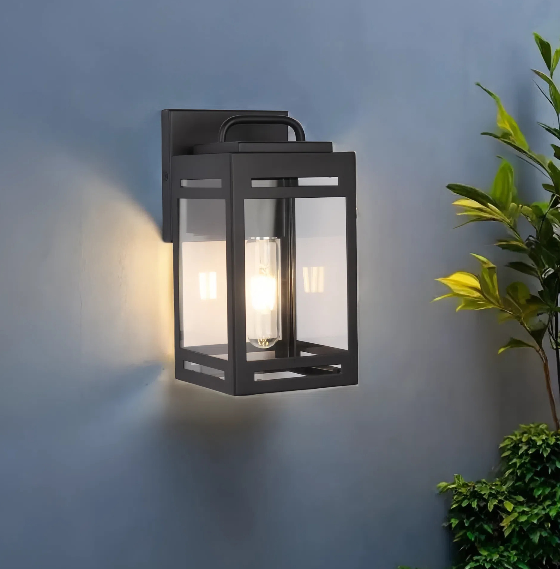
First, the material.
Indoor and outdoor lights are very different in material. Indoor Lighting usually use fragile materials such as metal, glass, and paper, because the indoor environment is relatively stable and not easily affected by natural conditions such as wind and rain. Outdoor Lighting have higher requirements in terms of material, usually using durable stainless steel, aluminum alloy and other metal materials, as well as special waterproof plastics, etc., to ensure that they can well resist the erosion of natural conditions such as wind and rain, sun and snow.
Second, Waterproofness.
There is also a big difference between indoor and outdoor lights in terms of water resistance. Indoor lamps mainly prevent the intrusion of water vapor, while outdoor lamps need to have higher waterproof performance to ensure that they can work properly in rain and snow. Outdoor lights with insufficient waterproof performance are easily damaged during the rainy season and can even cause dangerous situations such as short circuits in the circuit.
Third, Brightness.
Indoor and outdoor lights have different brightness requirements. Indoor lights often require a soft and comfortable light to avoid excessive glare while providing adequate illumination. Outdoor lights, on the other hand, require strong and bright lights to ensure illumination in an outdoor environment, while also effectively dissipating the darkness at night and enhancing a sense of security.

Fourth, Security.
Because outdoor lights are usually affected by natural disasters such as rain, snow, lightning and thunder, their safety performance requirements are higher. Outdoor lights need to have safety mechanisms such as overload, overvoltage, and overcurrent protection to ensure that they can operate stably in various complex environments. Indoor lights, on the other hand, do not need to have this special safety mechanism, because the indoor environment is relatively safe and not easy to be disturbed by the outside world.
In conclusion, there are big differences between indoor and outdoor lights in terms of material, waterproofness, brightness, and safety. When choosing Lighting Fixture, it is necessary to choose the right one according to the different environments in which they are used to ensure that the lighting needs of indoor and outdoor are met.

January 13, 2026

August 15, 2026

July 13, 2026
**Wood Light Chandelier Trends (2024):** Natural wood finishes, minimalist Scandinavian designs, and sustainable sourcing dominate. Mixed materials—wood with metal or glass—enhance modern appeal....
Illuminate your space with our stylish Indoor Pendant Light—modern design, energy-efficient LED, and adjustable height for any room. Perfect for kitchens, dining areas, or living rooms. Upgrade your...
Indoor pendant lights are popular lighting fixtures mounted from ceilings, offering ambient, task, or accent lighting in homes, offices, and commercial spaces. Known for their stylish designs and...
The modern foyer light market thrives on sleek, minimalist designs blending aesthetics with smart functionality. Consumers prioritize energy efficiency, adjustable lighting, and contemporary...
Email to this supplier
January 13, 2026
August 15, 2026
July 13, 2026
Tel: +86-0757-86441006
Whatsapp: +86 13928657116
Address: Wangzhi Lang, Lutang Road, Luocun, Nanhai, Foshan, Guangdong China
Privacy statement: Your privacy is very important to Us. Our company promises not to disclose your personal information to any external company with out your explicit permission.
Fill in more information so that we can get in touch with you faster
Privacy statement: Your privacy is very important to Us. Our company promises not to disclose your personal information to any external company with out your explicit permission.